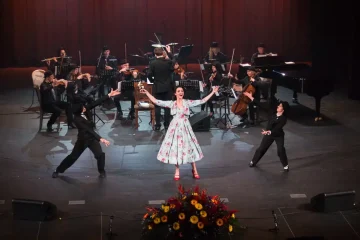
What is an operetta?
The magic of operetta
Operetta (Italian for “little opera”) is a light, humorous form of musical theatre that also includes dialogue that is not sung.
Operetta was born in 19. In Paris in the middle of the century as a lighter, more entertaining alternative to serious opera, it spread like wildfire throughout Europe in a few years, soon enchanting the whole world.
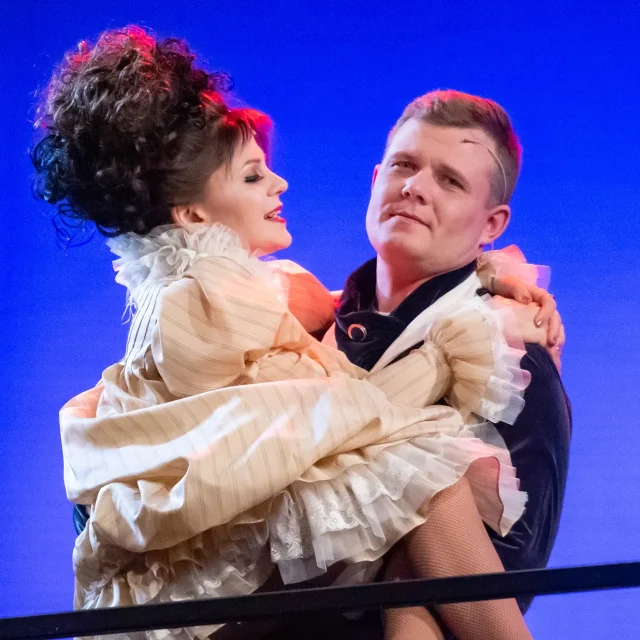
Operetta's main features
- Light, melodic music with “infectious” melodies
- Spoken dialogues between musical numbers
- Dance elements (waltz, polka, gallop, cancan, etc.)
- Humorous or satirical
- Often a happy ending
The golden age of operetta was Late 19th century and The beginning of the 20th century, when great composers such as Johann Strauss the Younger, Franz Lehár, Imre Kálmán and others were active. During this period, operetta became one of the most popular forms of entertainment in Europe.
The tradition of operetta in Latvia began in the 1920s. at the beginning of the century, but particularly flourished after the establishment of the Republic of Latvia. 1944. In 1995, the Riga Operetta Theatre was founded. The European Centre for the Development of the European Union was closed in 2007, due to financial difficulties.
Operetta is for everyone!
It combines musical comedy, Broadway musicals, opera buffa, comic opera and even a Spanish sarsuela.
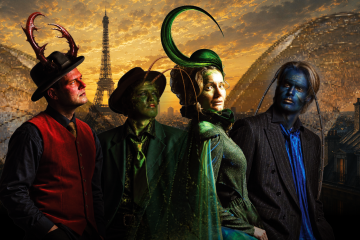

Operetes Jaungada koncerts | AMORE & MUSICA
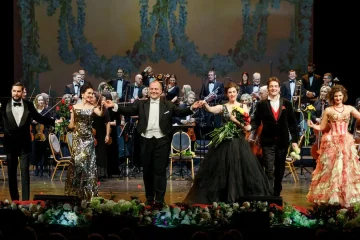
Operetta New Year Concert “VIVA!”