The life story of the operetta “The Savoy Ball” and its composer Paul Abraham is one of the most intriguing stories in the history of operetta. In a short space of time, Abrahams became one of the most popular and successful composers in the Weimar Republic.
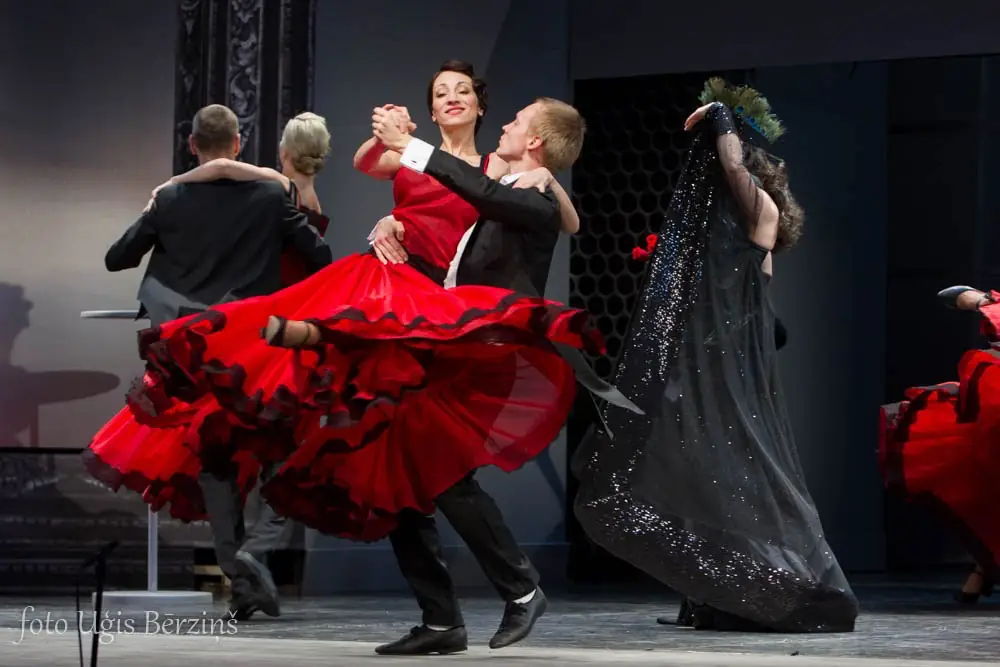
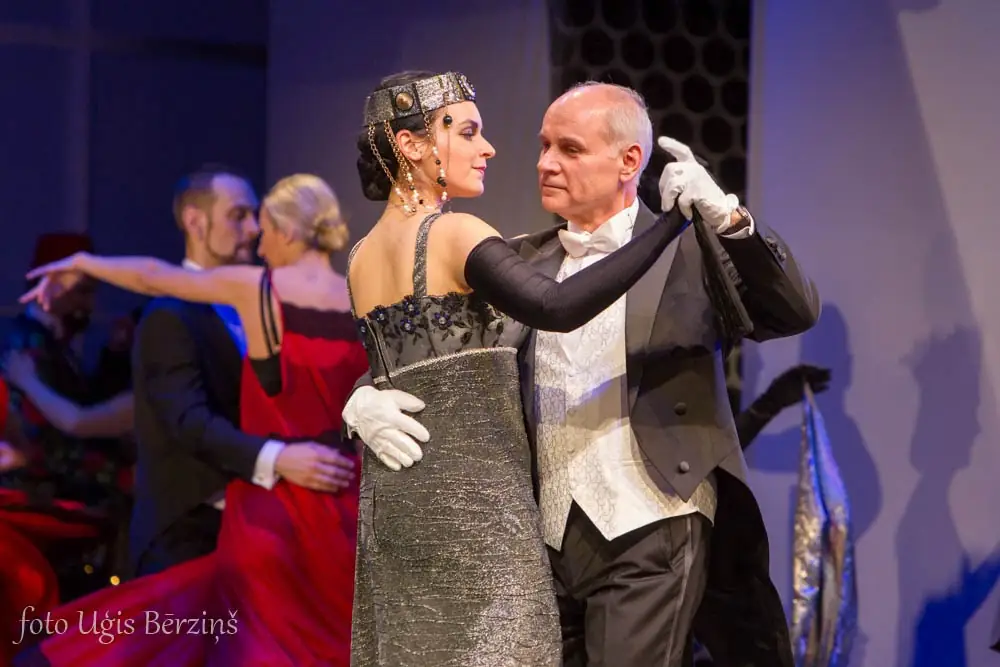
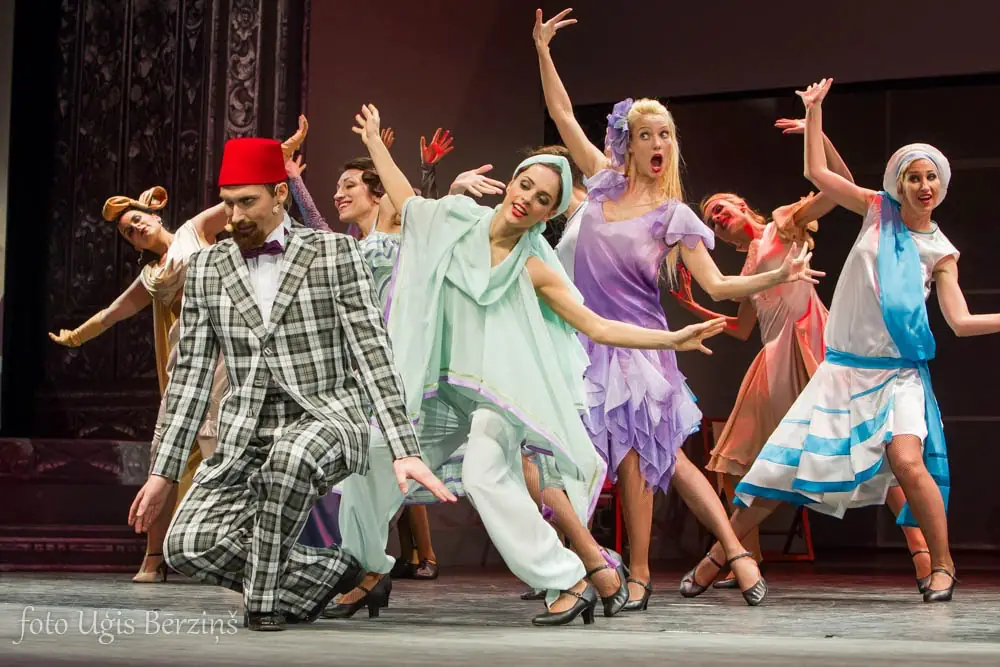
Abraham’s music is pleasantly different from the classical operettas of the time, both in its complex rhythmic structure and unusual instrumentation, and in its undeniable influence of European jazz and popular dance music. The operetta’s main strength is not only its unusual, modern and multi-coloured musical material, but also its classical waltzes, which are almost obligatory for an operetta, its Berlin jazz, passionate tangos, Hungarian gypsy melodies and dance music from the 1920s, and its witty, professionally written libretto.
When Paul Abraham and Alfred Greenwald’s operetta “Ball at the Savoy” premiered at the Großes Schauspielhaus in Berlin on 23 December 1932, the critics did not yet know that the evening would soon be hailed as the last great cultural event of the Weimar Republic. The 3,500-seat auditorium was home to some or all of Germany’s celebrities, politicians and cultural figures of the time.
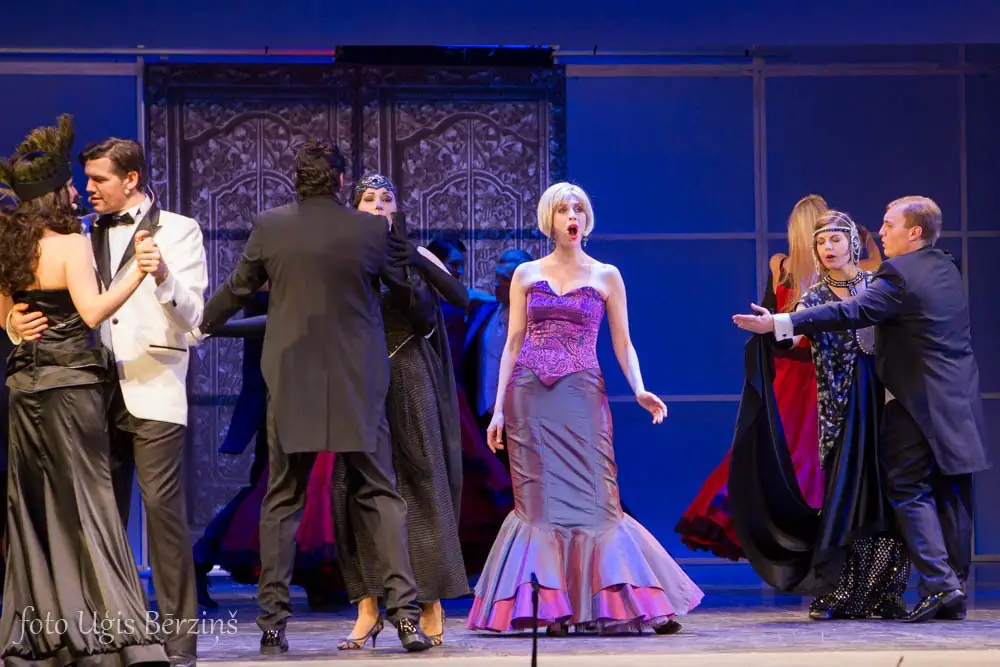
“Ball in Savoy is set in the last days of the Weimar Republic, when humanity seemed to be happy ever after. Abraham’s music has become hugely popular. His operetta “Ball at the Savoy” is currently winning worldwide acclaim and is being rediscovered by the younger generation, who consider it modern and contemporary. It is approaching Broadway style. His compositions are absolutely essential repertoire items in countless European opera houses.
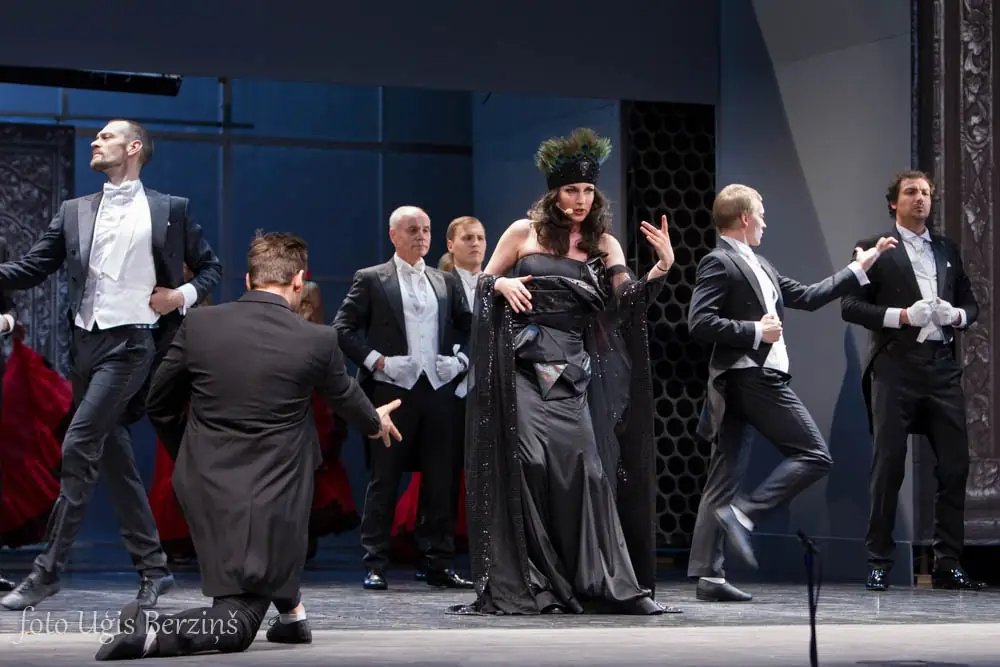
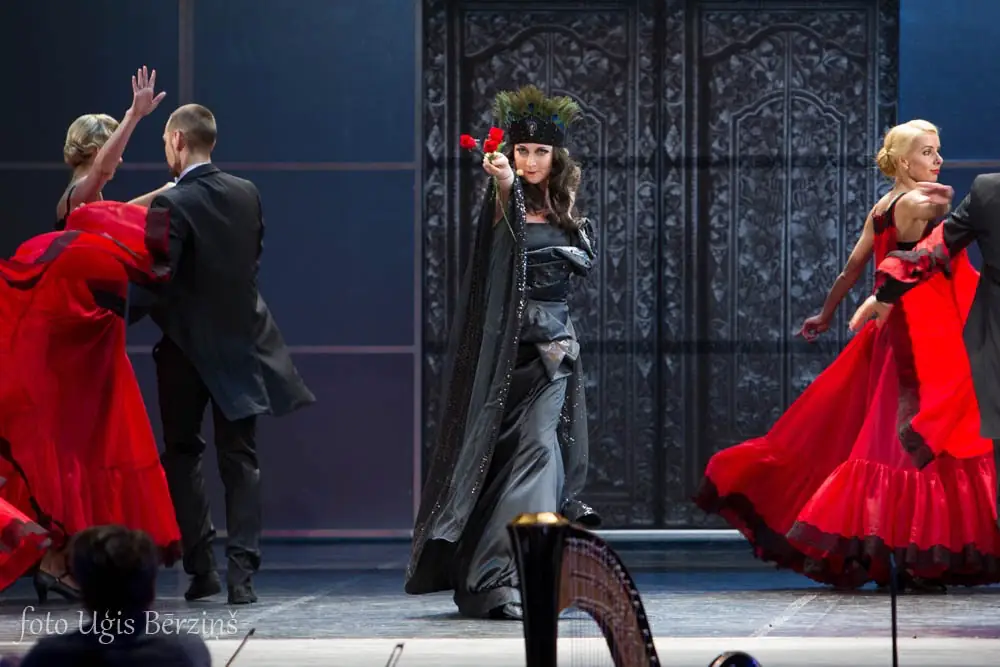
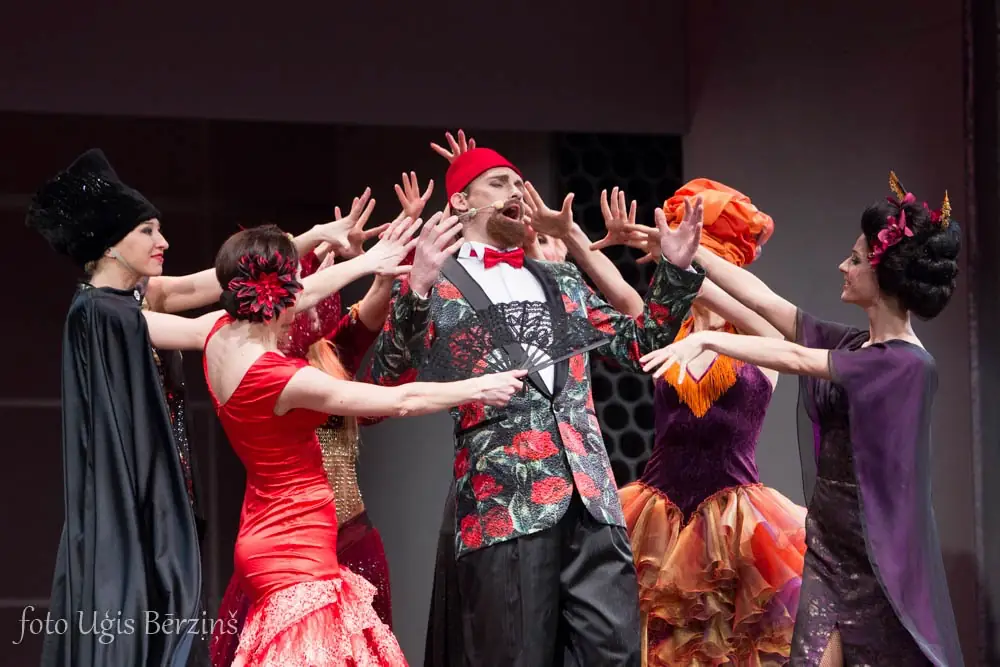
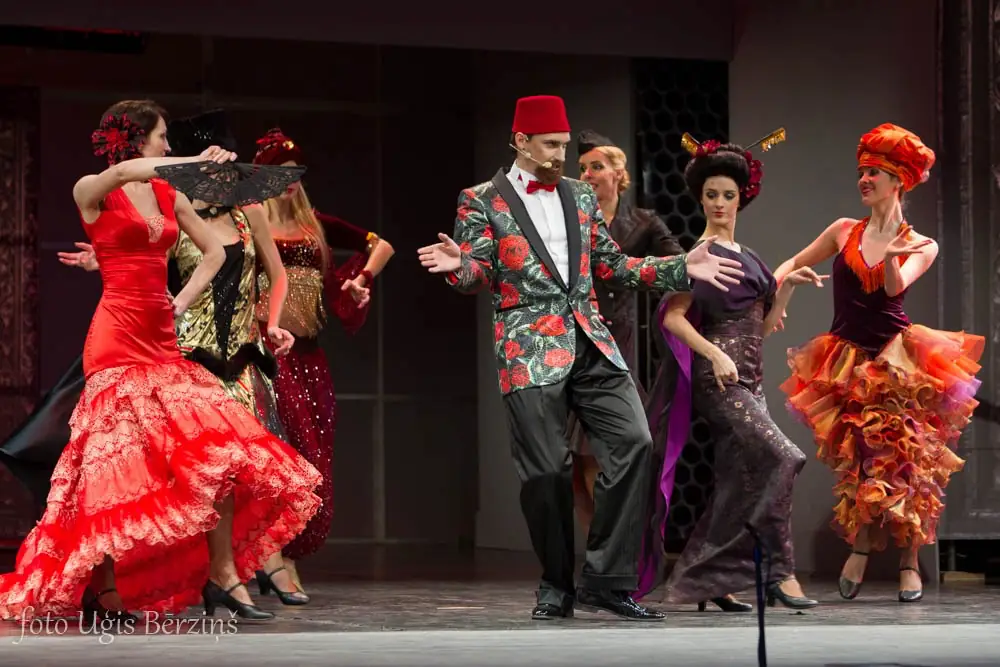
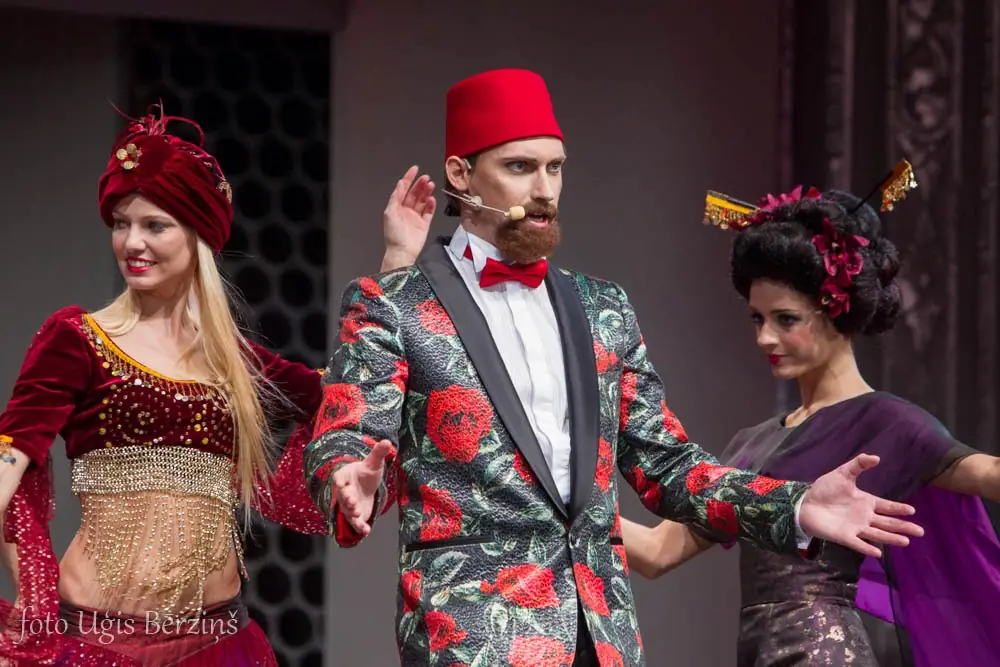
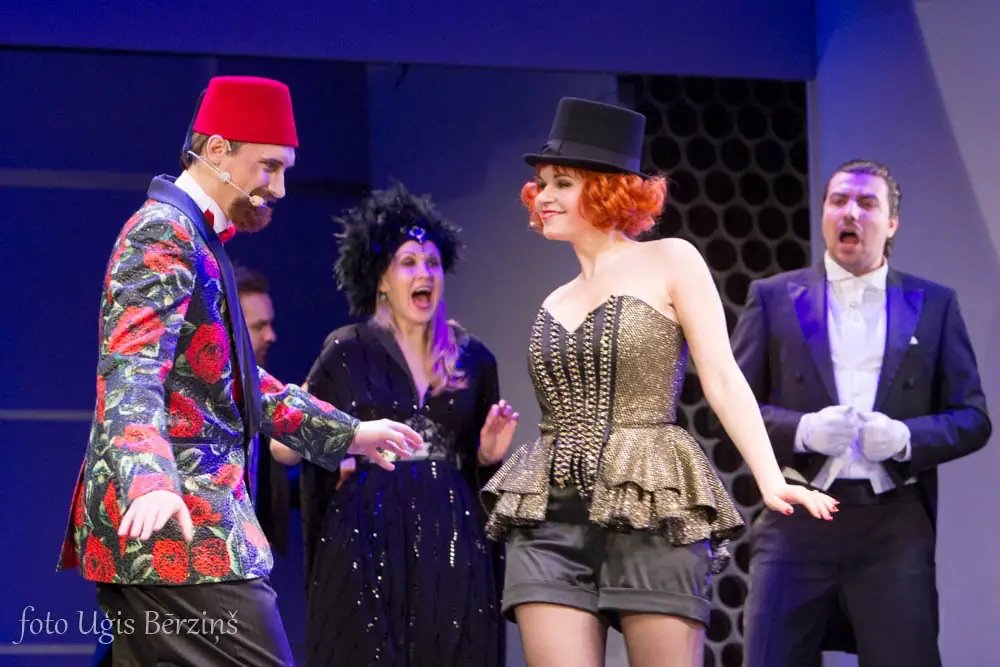
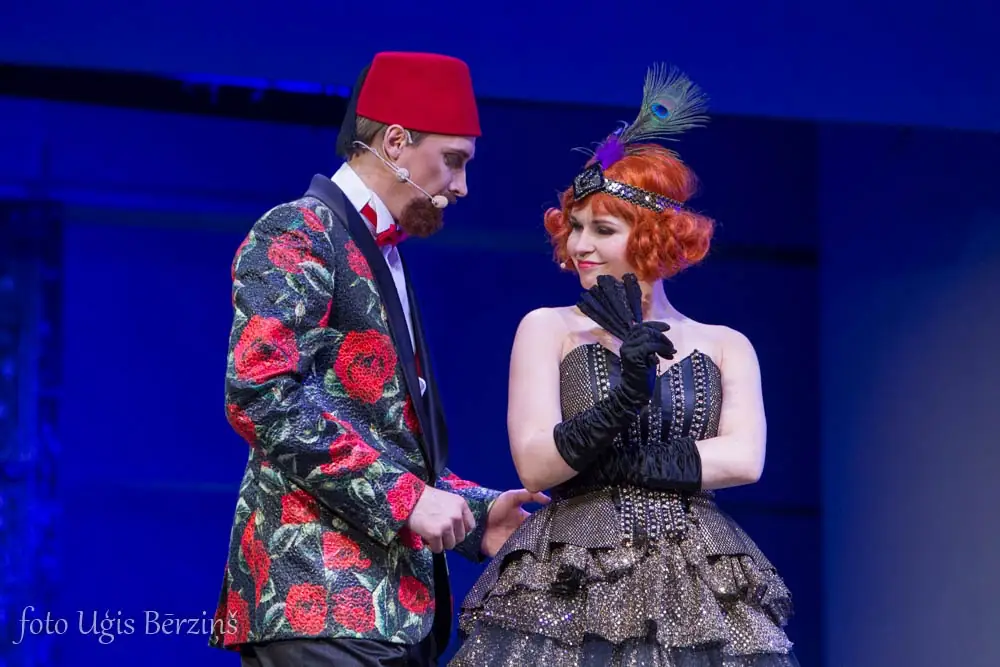
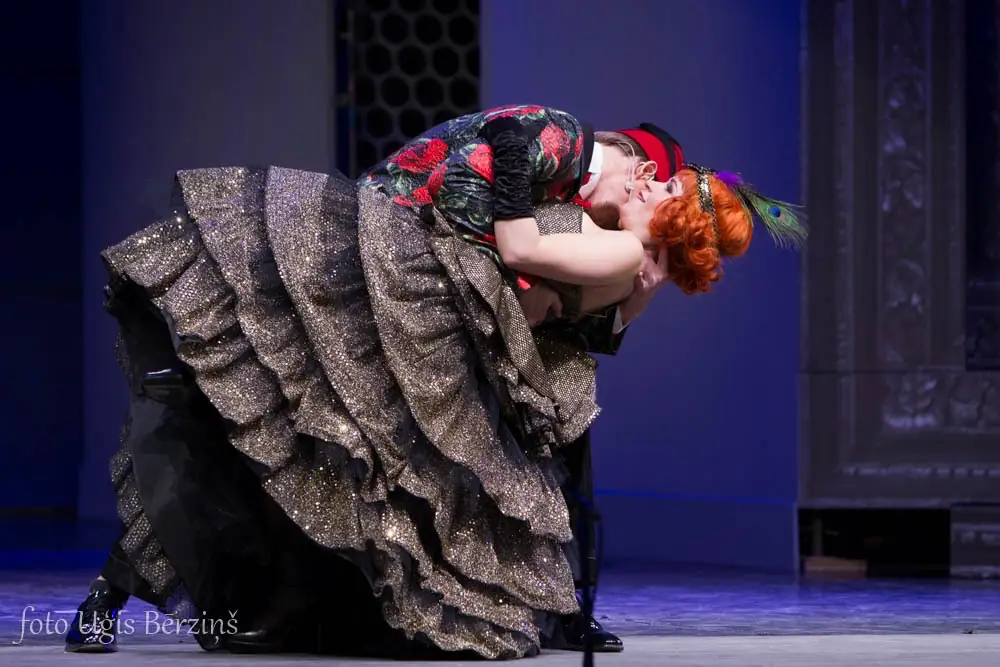
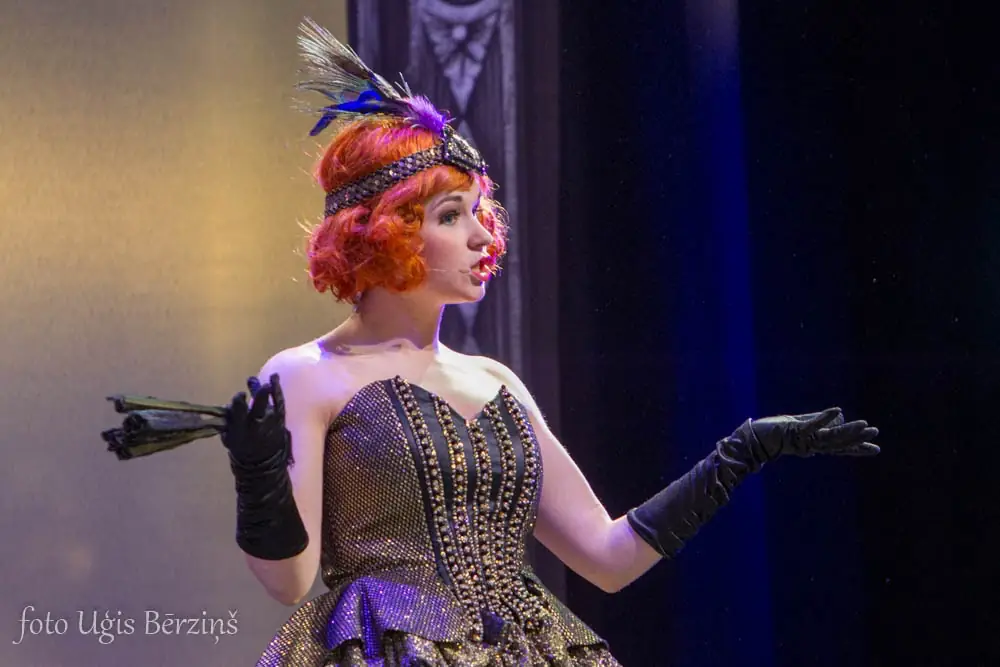
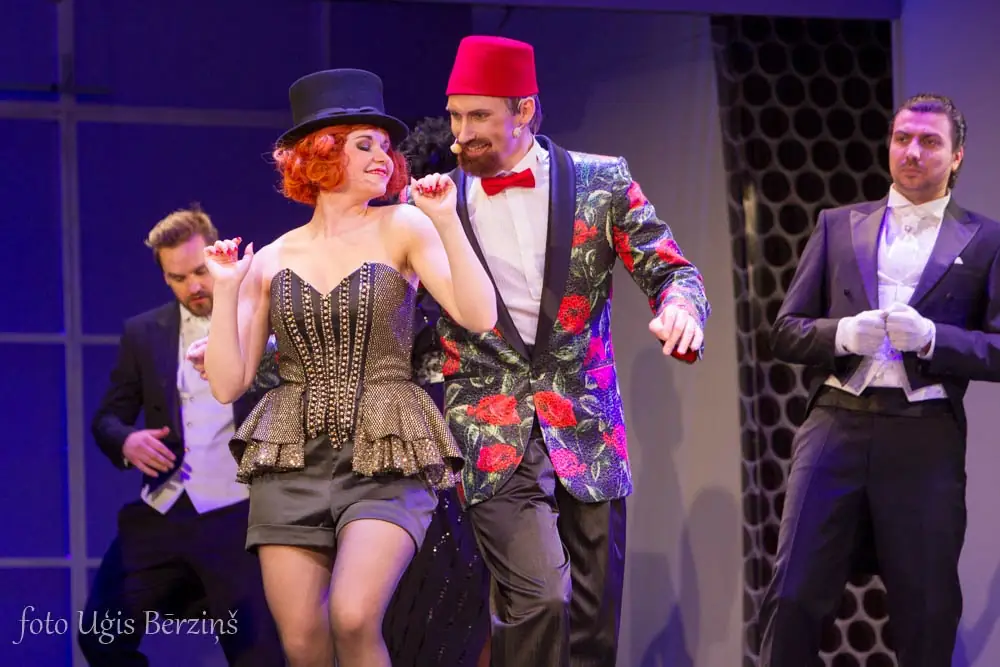
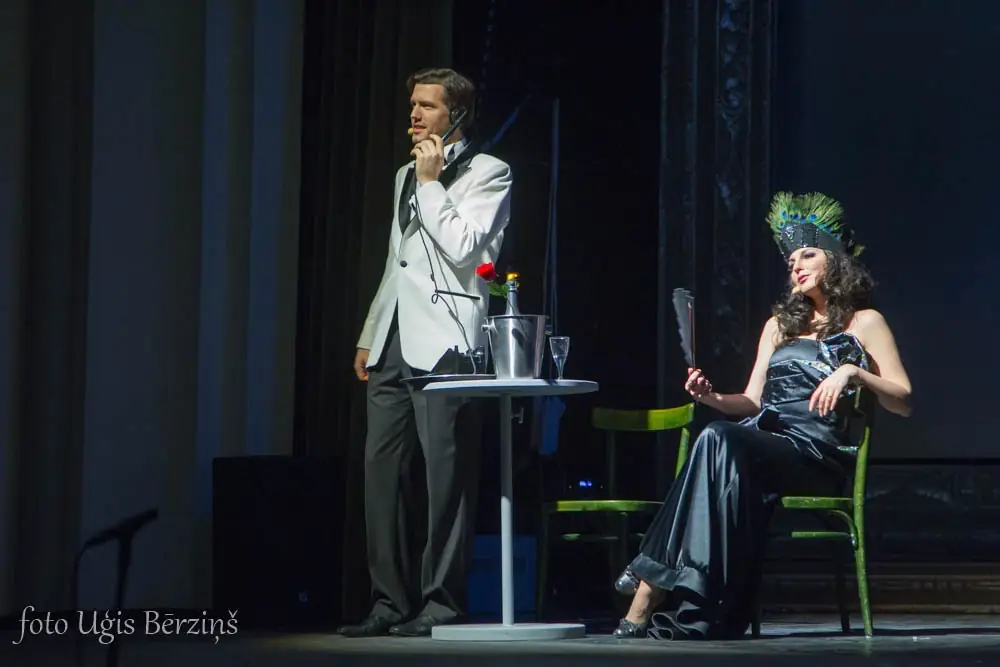
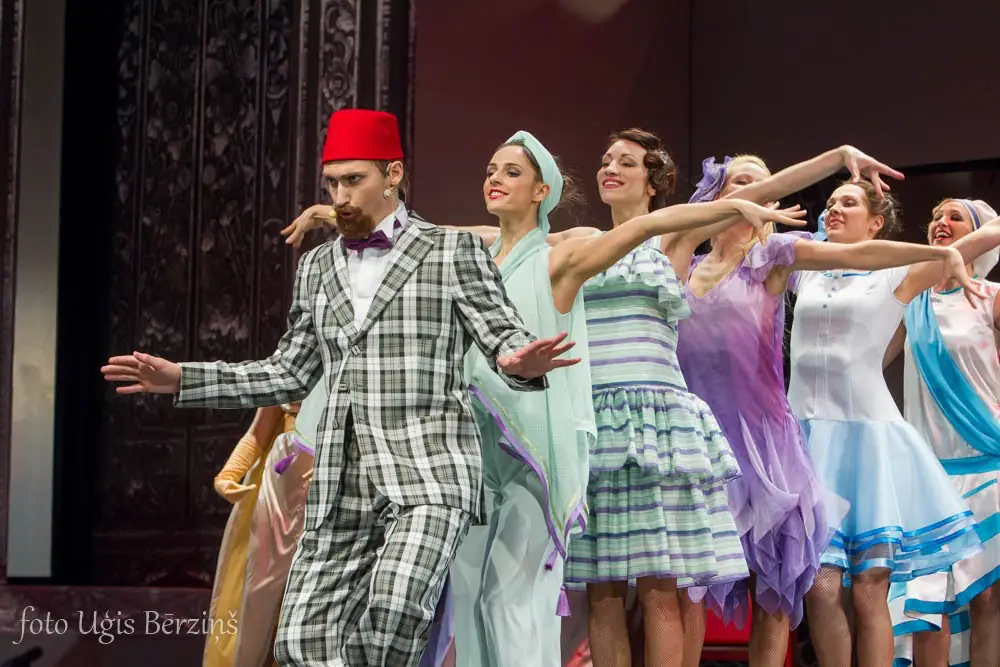
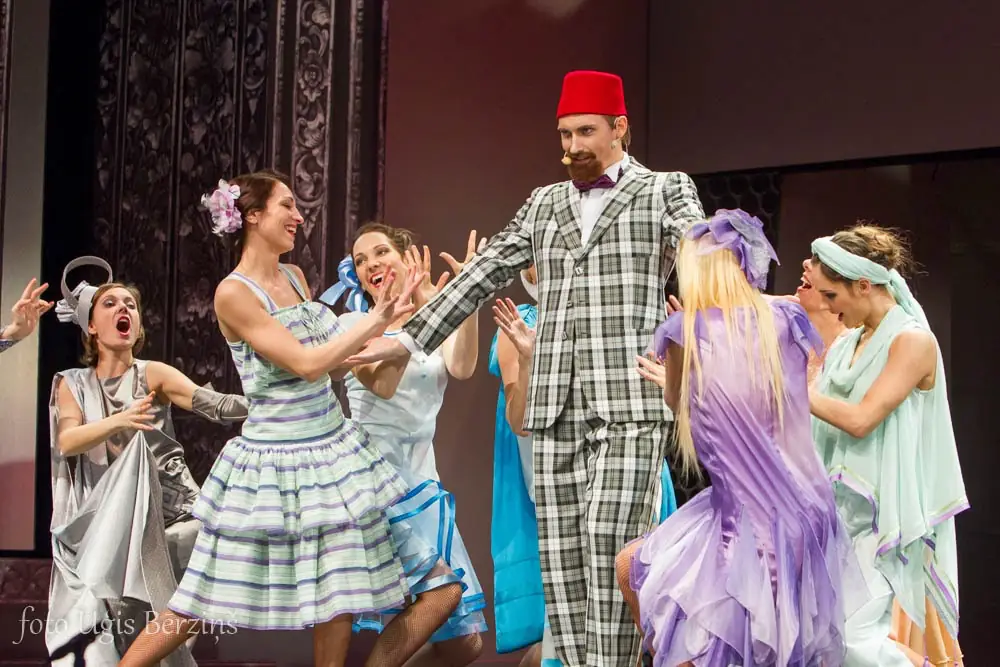
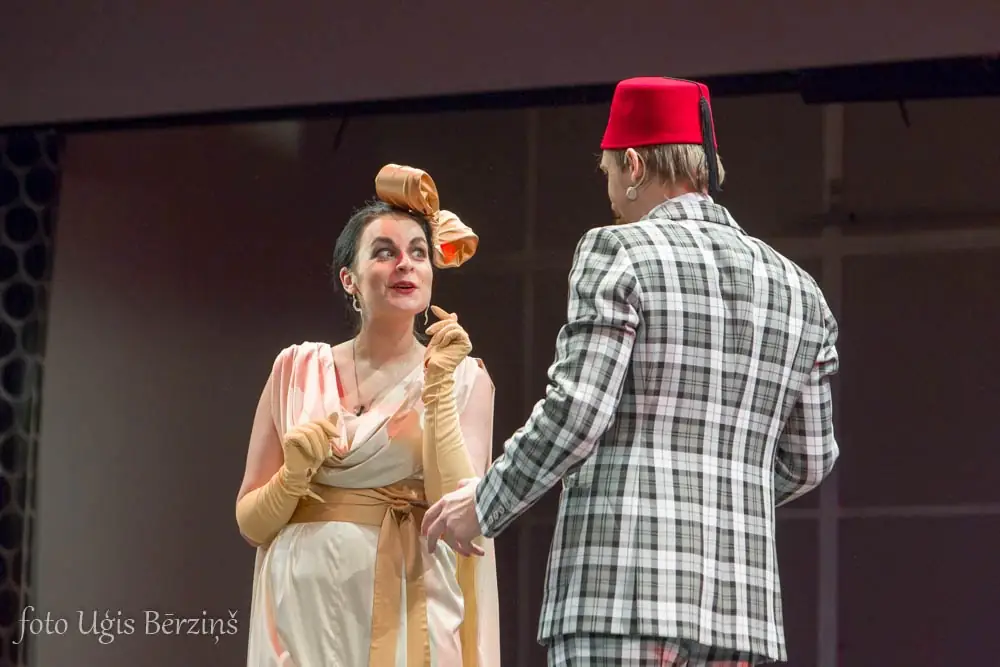
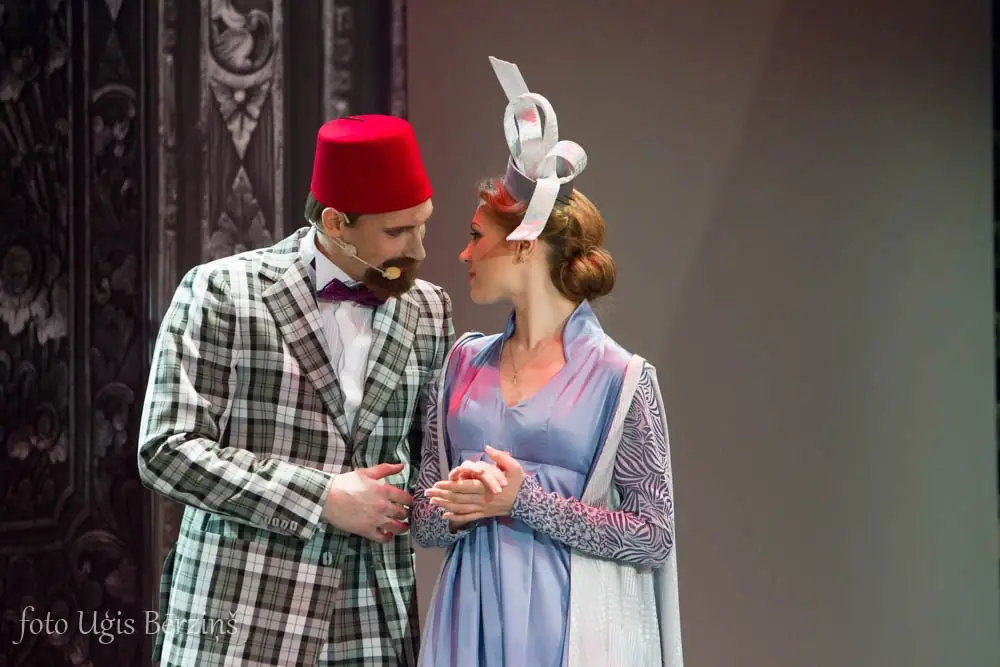
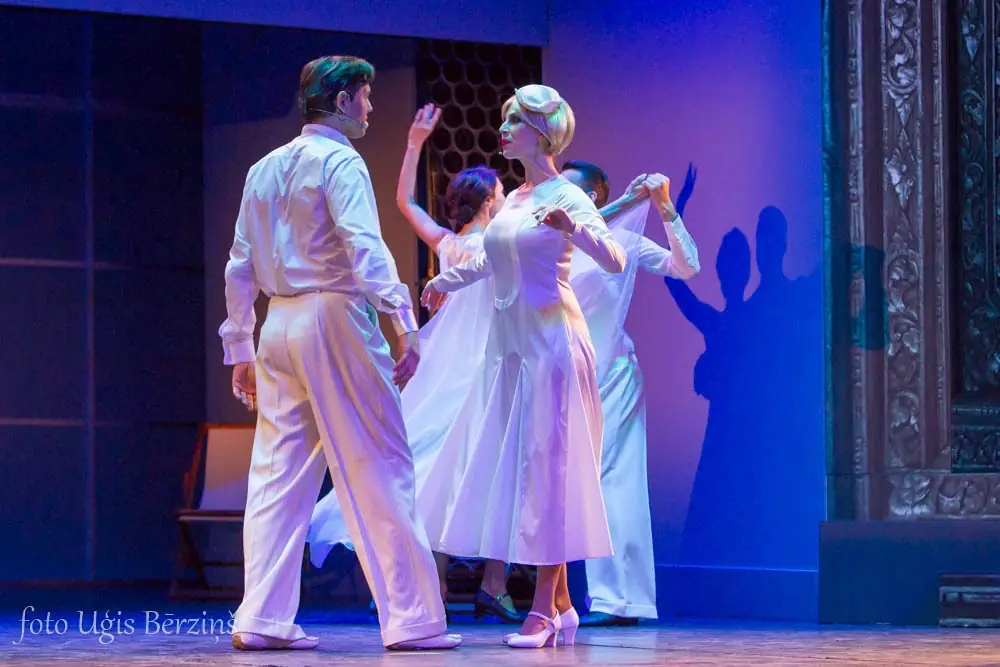
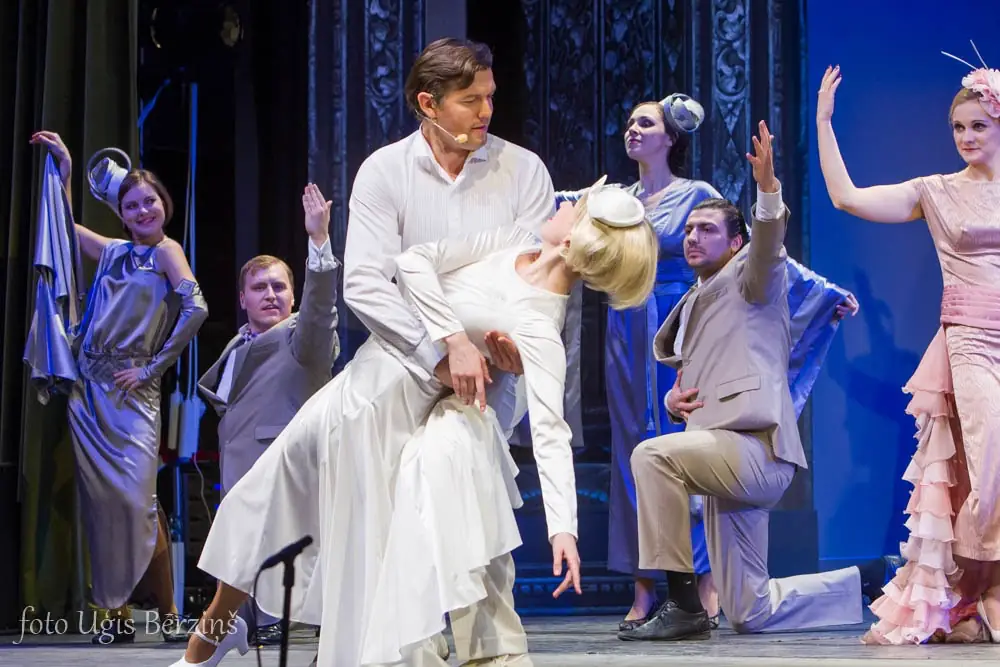
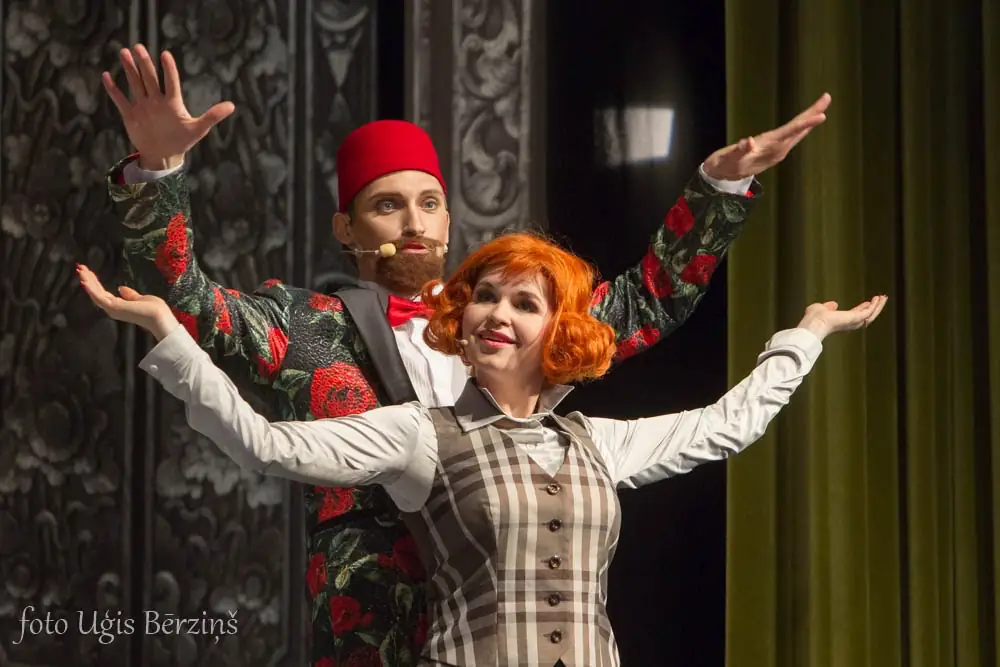
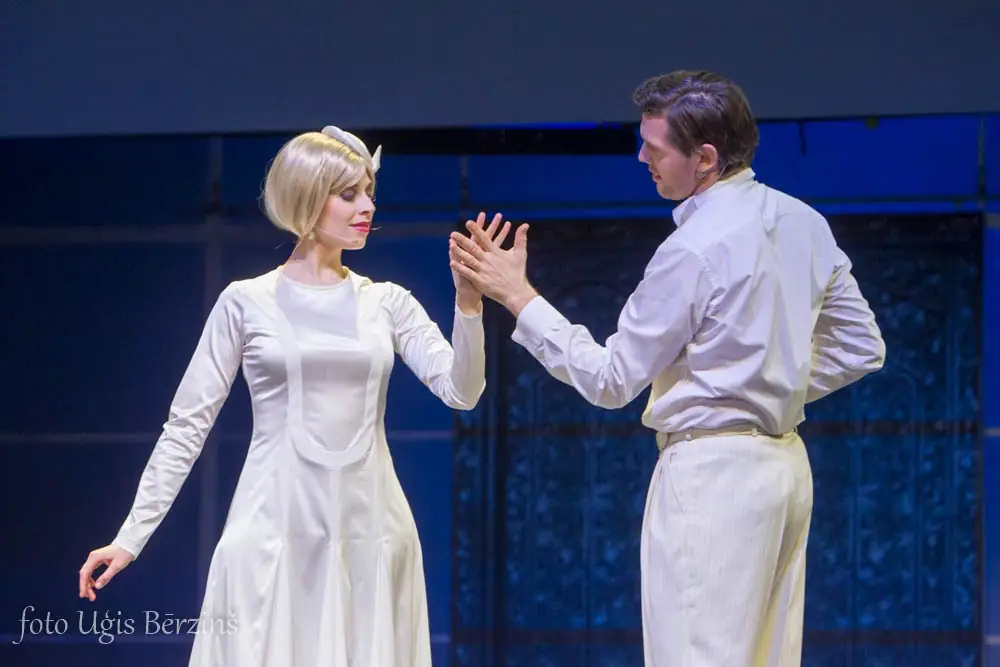
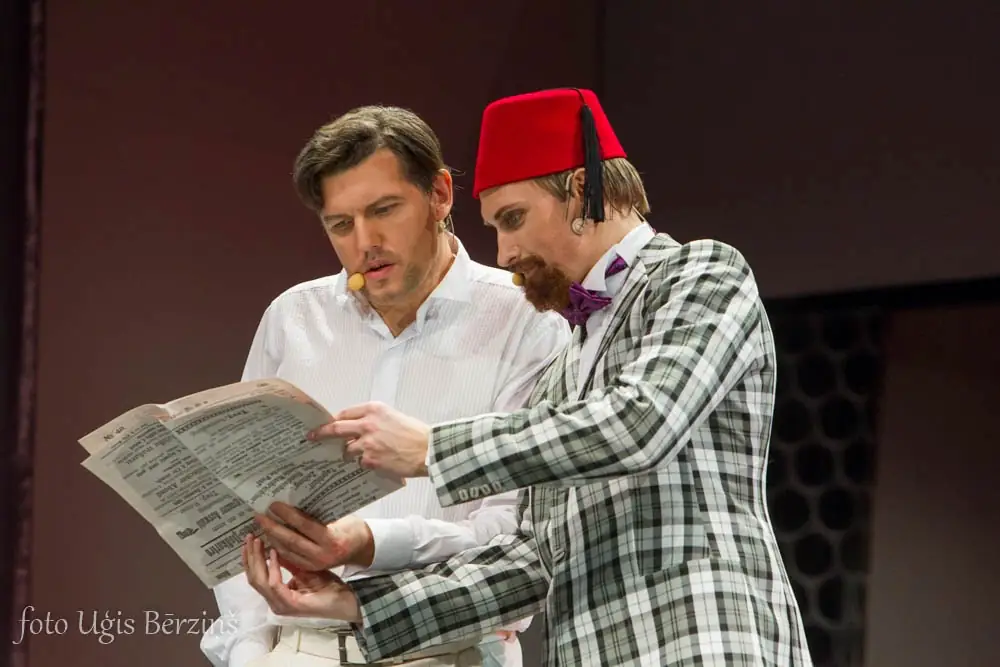
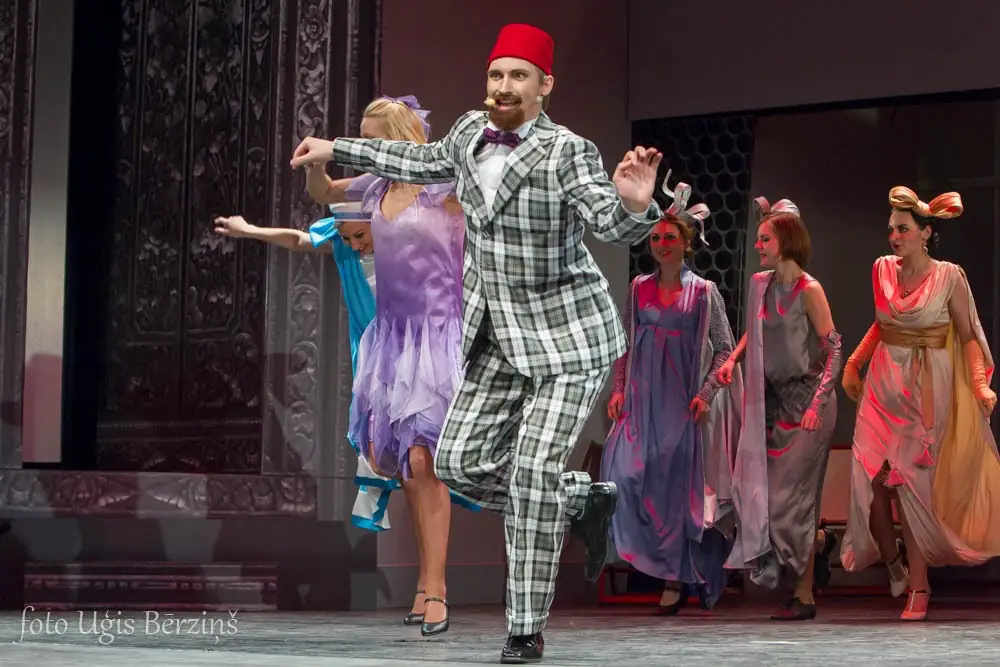
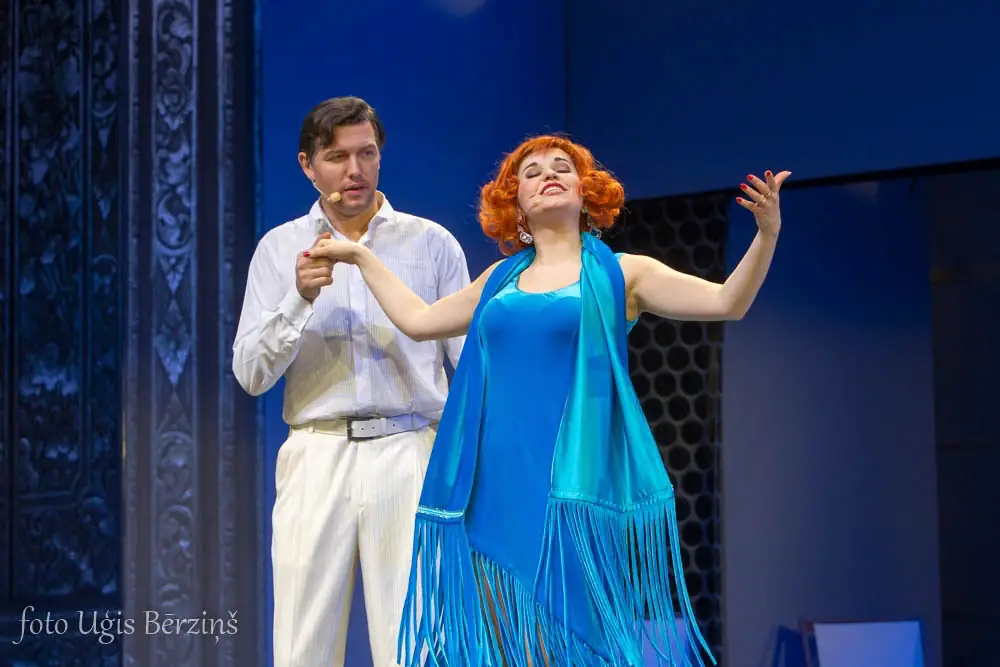
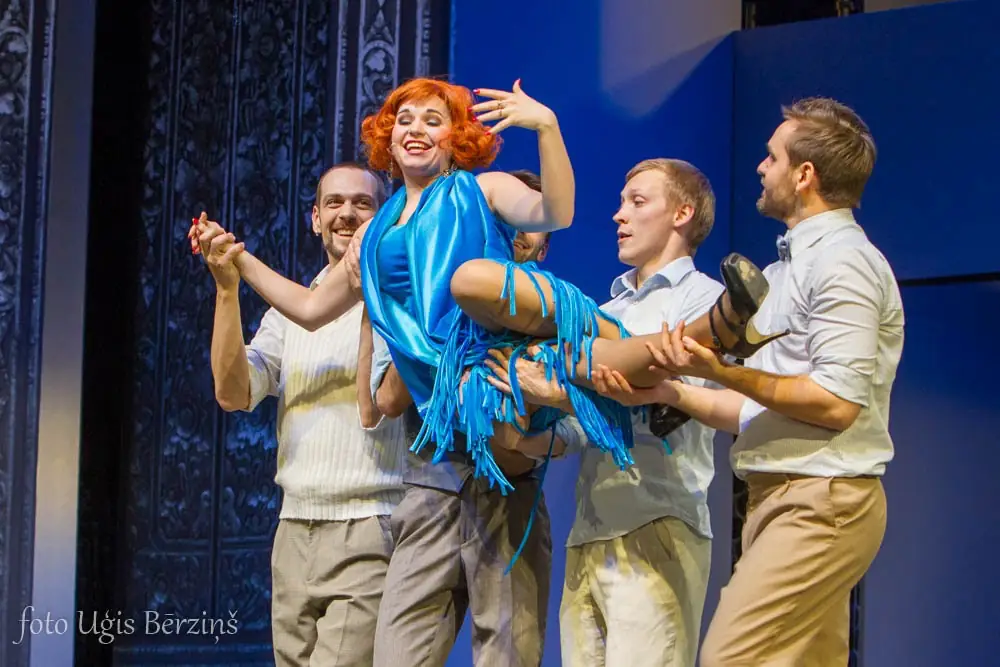
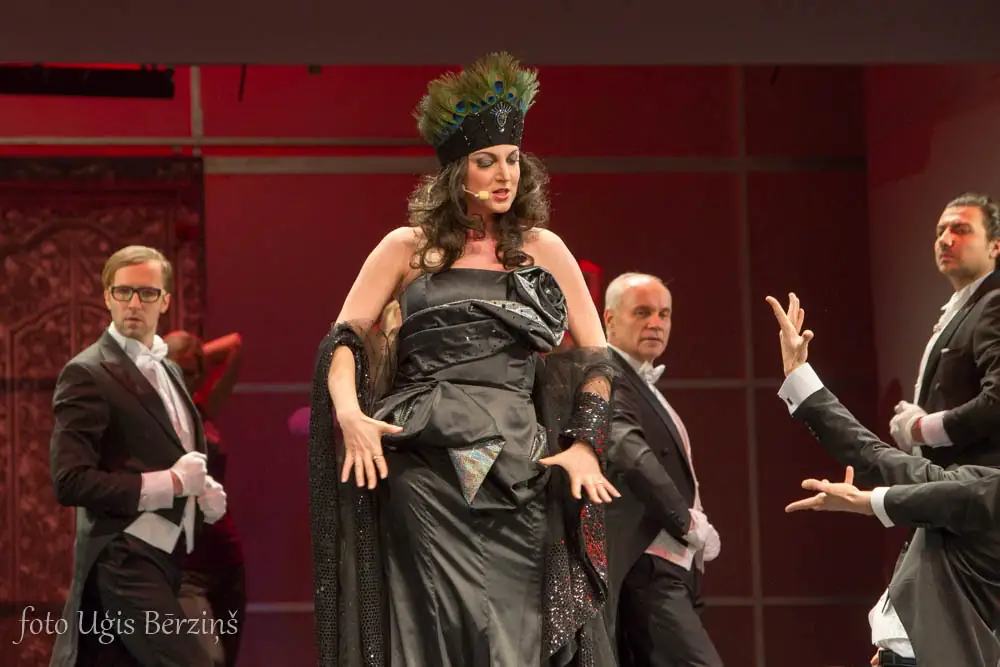
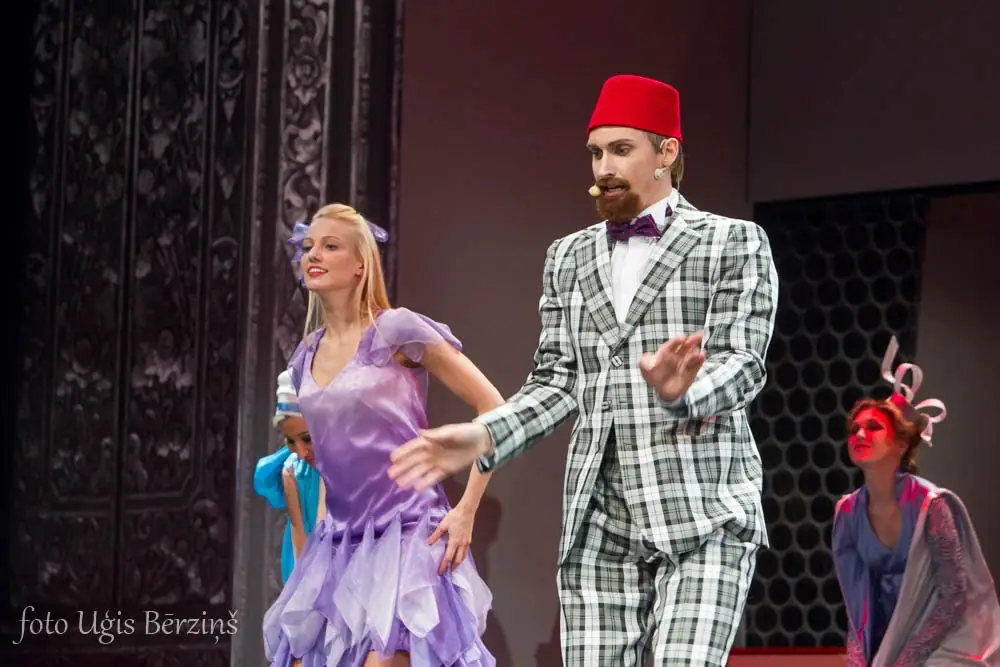
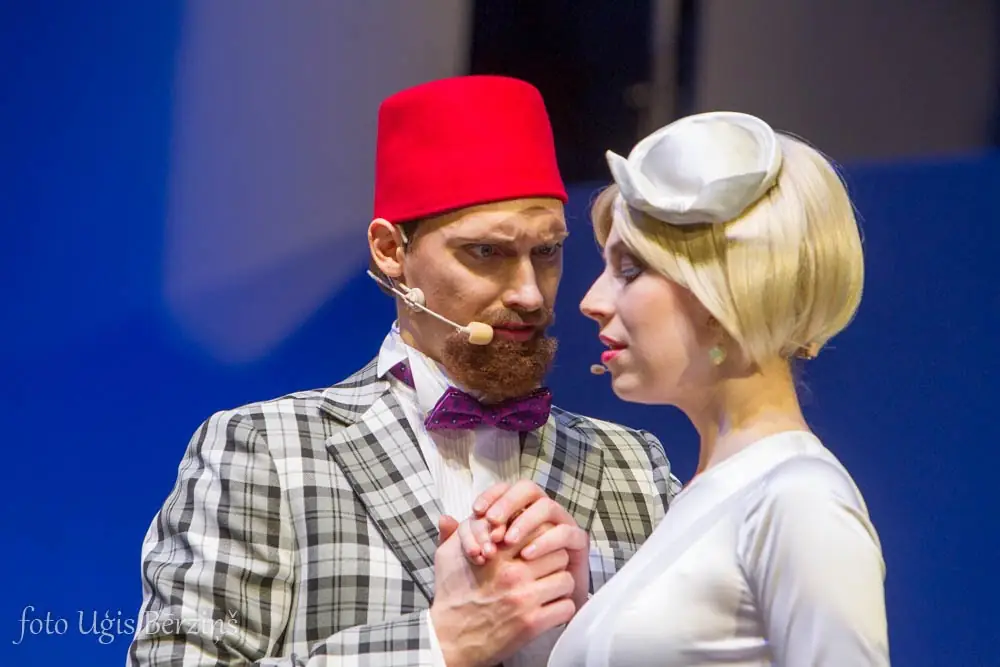
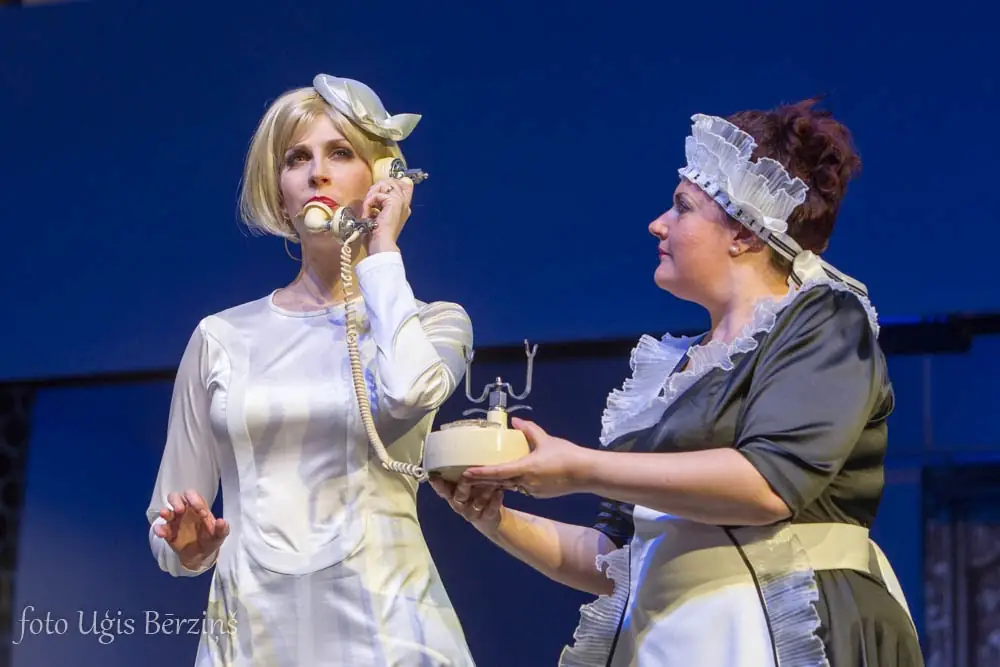
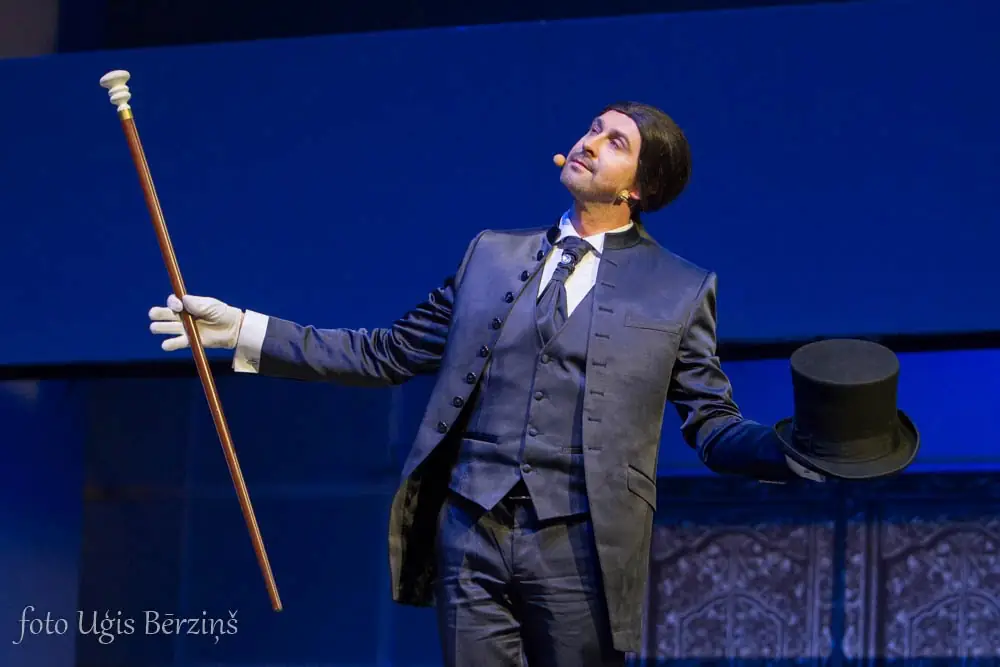
Plot: Aristides and Madeleine, a young couple, have recently returned from a year-long honeymoon. Aristide unexpectedly receives a telegram from his old lover, the beautiful jazz singer Tangolita, to whom he once promised to call whenever she called. What to do? Madeleine realises she is being deceived and decides to go to the ball incognito and trick her husband with the first suitor. Mustafa Bey, the six-times-married Turkish embassy attaché, starts flirting with Madeleine’s cousin Daisy in the hope of meeting his seventh wife. Through various twists and turns, the characters get what they want.
The play reflects a time of decadence in Weimar Germany, when a woman becomes a “human being”, a person with her own rights and thoughts, not just her husband’s wife. The idea that in every person, in every personality, there is both the masculine and the feminine is typical of the German cabaret culture of the 1920s and is one of the basic ideas of this charmingly amoral operetta. Free man and free will, equality, regardless of gender.